节里少公事,底忙起侵晨。
出自宋代:杨万里的《中元日晓登碧落堂望南北山二首(其一)》
节里少公事,底忙起侵晨。
望秋怯残暑,及此东未暾。
登山俯平野,万岳皆白云。
身在白云上,不知云绕身。
节里少公事,底忙起侵晨。的下一句是:望秋怯残暑,及此东未暾。
鉴赏
《中元日晓登碧落堂,望南北山二首》是宋代诗人杨万里的作品。这首诗描绘了作者清晨登上碧落堂,俯瞰南北山脉的景象。以下是这首诗的中文译文、诗意和赏析:
中元日晓登碧落堂,
On the morning of Zhongyuan Festival, I ascend the Bi Luo Hall,
Bi Luo Hall is a place where one can have a panoramic view of the surrounding mountains.
望南北山二首。
Gazing at the southern and northern mountains.
节里少公事,底忙起侵晨。
During the festive season, there are few official duties, so I rise early in the morning,
The poet mentions that it is a festive time, possibly indicating that it is a time of leisure and tranquility.
望秋怯残暑,及此东未暾。
Looking towards autumn, fearing the lingering heat, as the eastern sky has not yet brightened.
The poet observes the approaching autumn and expresses a sense of anticipation for the relief from the lingering summer heat.
登山俯平野,万岳皆白云。
Climbing the mountain, overlooking the flat plains, all the myriad peaks are covered in white clouds.
From the vantage point of the mountain, the poet sees a breathtaking view of the vast plains and the mountains, which are enveloped in white clouds. This imagery evokes a sense of tranquility and grandeur.
身在白云上,不知云绕身。
Being on top of the white clouds, I am unaware of the clouds surrounding me.
The poet metaphorically suggests that he is so immersed in the beauty of the scene that he feels as if he is floating among the clouds, detached from the worldly concerns.
这首诗通过描绘清晨登高望远的景象,表达了诗人对自然景色的赞美和对宁静、超脱的向往。诗中运用了自然景物的描写,以及对时间和季节的感知,展现了杨万里独特的感受和思考。整首诗以简洁明快的语言,传达了作者对大自然的敬畏之情和对人生境界的追求,给人以宁静、舒适的感受。
杨万里简介
宋代·杨万里的简介
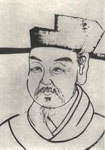
杨万里,字廷秀,号诚斋,男,汉族。吉州吉水(今江西省吉水县)人。南宋杰出诗人,与尤袤、范成大、陆游合称南宋“中兴四大诗人”、“南宋四大家”。
...〔 ► 杨万里的诗(4330篇)〕猜你喜欢
-
更招元结
出自 宋代 刘过: 《六州歌头(送王玉良)》
-
好为苍生重起
出自 宋代 杨无咎: 《水调歌头(徐侍郎生辰)》
-
定是尧时丙子年
出自 宋代 陆游: 《丈亭遇老人长眉及肩欲就之语忽已张帆吹笛而》
- 不愁落帽海风多
- 乃是丁令威,玉佩摇琼琚。
-
物随时变,脆似松枝,海变做桑田。
出自 元代 杨景贤: 《杂剧·西游记·第四本》
- 道本虚无生太极,太极变而先有一。
-
一室琴书客,五言山水心。
出自 清代 弘历: 《题张雨森画屏十景(其三)蕉雨清吟》
-
久知衡宇能容膝,岂料王门再曳裾。
出自 明代 朱同: 《实夫有金陵之行令人重增慨叹短章奉寄以见下怀》
- 领取春风他日事,拂珊瑚、直上金鳌顶。