懿此秋节时,更延追赏情。
出自唐代:李适的《九月十八赐百僚追赏因书所怀》
雨霁霜气肃,天高云日明。
繁林已坠叶,寒菊仍舒荣。
懿此秋节时,更延追赏情。
池台列广宴,丝竹传新声。
至乐非外奖,浃欢同中诚。
庶敦朝野意,永使风化清。
懿此秋节时,更延追赏情。的上一句是:繁林已坠叶,寒菊仍舒荣。
懿此秋节时,更延追赏情。的下一句是:池台列广宴,丝竹传新声。
鉴赏
九月十八赐百僚追赏因书所怀
雨霁霜气肃,天高云日明。
繁林已坠叶,寒菊仍舒荣。
懿此秋节时,更延追赏情。
池台列广宴,丝竹传新声。
至乐非外奖,浃欢同中诚。
庶敦朝野意,永使风化清。
诗意:这首诗描绘了九月的景色,秋天的气候清爽,云彩明亮,雨过霜气弥漫。诗人提到树木已经落下了繁茂的叶子,但寒菊依然绽放着荣花。在这美好的秋天,诗人提出了赏赐百僚的请求,以表达对人们贡献的感激之情。他希望能在宴会上听到新的音乐声,享受至乐的乐趣,这样的奖赏并非是为了追求外在的荣华,而是起到增进情谊和团结民众的作用。最后,诗人表达了自己愿意推进清风化俗的决心,希望这种清风能够永久地影响朝野,成为社会风气的一部分。
赏析:这首诗以描绘秋天的景色为起点,通过诗人对自然的观察,表达了他对赏赐百僚的渴望和期望。诗人所表达的是对美好事物的回应和感激之情,同时也展示了他推崇清风化俗的思想。诗人以自身的行动来鼓励社会的风化清新,试图通过此诗来感召朝野的官员和民众,构建一个更加美好的社会。
中文译文:
雨过霁霞天气爽,天高云亮光辉芒。
繁林已落纷飞叶,寒菊依然鲜芬芳。
懿此秋节时光美,进而倡议大赏赐。
池台排列广宴席,丝竹传来新的声。
至乐并非外在的奖,而是真诚和欢乐共享。
让朝野充满团结意,永远风化清纯光。
Poem Analysis: "Granting Rewards to the officials in September 18th due to the thoughts expressed in a book."
The poem describes the scenery of September, with clear weather after the rain and a high sky with bright clouds. The poet mentions how the dense forest has already shed its leaves, but the chrysanthemums are still thriving. In this beautiful autumn, the poet requests the granting of rewards to the officials, expressing gratitude for their contributions. The poet hopes to hear new music during the banquet and enjoy the ultimate pleasure. The rewards mentioned here are not for pursuing external glory but to enhance friendship and unite the people. Finally, the poet expresses the determination to promote a pure and refined society, hoping that this pure wind can permanently affect both the court and the common people, becoming part of the social atmosphere.
Appreciation: This poem begins with the depiction of the autumn scenery, using the poet's observations of nature to convey his desire and expectations for granting rewards to the officials. The poet expresses gratitude and responds to beautiful things, while also showcasing his belief in promoting purity and refinement. The poet encourages social refinement through his own actions, attempting to inspire government officials and the people through this poem, constructing a better society.
Translation:
After the rain, the sky is clear, the weather is pleasant,
The sky is high, the clouds are bright and radiant.
The dense forest has shed its falling leaves,
But the chrysanthemums bloom fragrantly, unaffected by the cold.
On this auspicious festival of autumn,
The poet proposes a rewarding ceremony.
The pavilions and terraces are set, ready for a grand banquet,
The melodies of silk and bamboo instruments bring new tunes.
The ultimate pleasure lies not in external rewards,
But in genuine joy and shared happiness.
May this sincerely unite the court and the people,
And forever maintain a pure and refined society.
李适简介
唐代·李适的简介
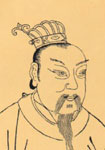
唐德宗李适(kuò)(742年5月27日―805年2月25日),唐代宗李豫长子,唐朝第九位皇帝(除武则天和唐殇帝以外),在位二十六年(779年6月12日―805年2月25日 )。李适在位前期,以强明自任,坚持信用文武百官,严禁宦官干政,用杨炎为相,废租庸调制,改行“两税法”,颇有一番中兴气象。后任用卢杞等,政局转坏。贞元二十一年(805年),李适于会宁殿驾崩,享寿六十四岁。谥号神武孝文皇帝,庙号德宗,葬于崇陵。李适善属文,尤工于诗。《全唐诗》录有其诗。
...〔 ► 李适的诗(35篇)〕猜你喜欢
- 蜂忧冻馁死
- 般般都罢
-
新愁旧恨何时了,算多愁、总为多情。
出自 清代 陆茜: 《高阳台.自题“绿窗听雨图”》
- 玉笋千官散,珠帘一夜空。
-
吾侪小人虑不远,积雪苦寒来岂晚。
出自 宋代 陆游: 《癸丑十一月下旬温燠如春晦日忽大风作雪》
-
唤取歌声不愁思,为君吹水引杯频。
出自 宋代 范成大: 《次韵唐幼度客中·幼度相别数年,复会於钱塘》
-
人心如面各不同,蛇头蝎尾吾安容。
出自 宋代 程俱: 《二十八舍歌示钱定国显道》
- 人谋自矛盾,民命困戈鋋。
-
往来杂冠裳,气习同纨裤。
出自 清代 朱琰: 《读张杨园先生补农书作(其三)》
-
病起无聊带减围,看花惊有未开枝。
出自 元代 李孝光: 《病起用伯循御史韵二首(其二)》