菩萨蛮鉴赏
《菩萨蛮》是宋代文学家张孝祥创作的一首词,描绘了冬夜中寂静而凄美的景象,表达了主人公在寒冷的夜晚中思念离别的情感。下面是诗词的中文译文、诗意和赏析:
中文译文:
玉龙细点三更月。
庭花影下余残雪。
寒色到书帏。
有人清梦迷。
墙西歌吹好。
烛暖香闺小。
多病怯杯觞。
不禁冬夜长。
诗意:
这首词以冬夜的静谧为背景,通过描绘月色、花影和雪景等自然景物,表达了主人公在寒冷的夜晚中思念离别之人的深情。诗中还透露出主人公的身体不适和对繁华世事的疏远,进一步增强了离愁别绪的情感色彩。
赏析:
《菩萨蛮》以简练而凄美的语言描绘了寒冷冬夜中的情景,展示了宋代词的独特韵味。下面是对各句的赏析:
1. "玉龙细点三更月。":诗人通过形象的描写,表达了夜晚中明亮的月光,玉龙细点的形容词烘托出月光的清冷和静谧。
2. "庭花影下余残雪。":诗中描绘了庭院中的花影和残雪,冬天的景色给人一种寒冷和凄美的感觉。
3. "寒色到书帏。":寒冷的色彩透过书帏映入室内,进一步增强了冬夜的寒冷氛围。
4. "有人清梦迷。":诗中透露出主人公思念离别之人的情感,形容主人公在夜晚中清醒的梦境中迷失。
5. "墙西歌吹好。":墙外传来的歌声和吹奏的乐曲,为夜晚增添了一丝温暖和生动的气息。
6. "烛暖香闺小。":烛光的温暖和闺房的香气,给人一种温馨和宁静的感觉。
7. "多病怯杯觞。":主人公身体不适,对于饮酒和宴会等繁华世事产生了疏远和怯意。
8. "不禁冬夜长。":冬夜的时光显得漫长,与主人公的离愁别绪相呼应,强调了思念之情的深沉和久长。
整首词以冬夜为背景,通过对自然景物的描绘和主人公内心情感的抒发,展示了离愁别绪、寒冷凄美的主题。张孝祥以简练而含蓄的语言,刻画了人物的情感和环境的氛围,给人以深深的思索和感叹。这首词在宋代文学史上具有重要地位,被誉为宋代词的代表作之一《菩萨蛮》 is a ci (a form of lyric poetry) written by Zhang Xiaoxiang during the Song dynasty. It depicts a quiet and melancholic scene on a winter night, expressing the protagonist's longing for a departed loved one. Here is the translation, meaning, and analysis of the poem:
Translation:
A slender moon decorates the midnight sky,
Beneath the courtyard's flowers, remnants of snow lie.
The chill colors reach the curtains of my study,
Someone is lost in a clear dream, wandering unknowingly.
From the west wall, melodies of songs and flutes flow,
Candles warm the fragrant chamber, small and low.
Illness makes me shy away from toasting and drinking,
Winter nights seem endless, without stopping.
Meaning:
The poem sets the backdrop of a quiet winter night and uses imagery of moonlight, flower shadows, and snow to express the protagonist's deep affection for a departed loved one. It also hints at the protagonist's physical ailments and detachment from worldly affairs, emphasizing the emotions of parting and yearning.
Analysis:
"菩萨蛮" employs concise and melancholic language to depict the scene of a cold winter night, showcasing the unique charm of ci poetry during the Song dynasty. Here is an analysis of each line:
1. "A slender moon decorates the midnight sky": The poet vividly describes the brightness of the moonlight, using the adjective "slender" to highlight its clarity and serenity.
2. "Beneath the courtyard's flowers, remnants of snow lie": The poem portrays the flower shadows and remnants of snow in the courtyard, evoking a sense of coldness and melancholy.
3. "The chill colors reach the curtains of my study": The cold colors penetrate the curtains and enter the room, further enhancing the wintry atmosphere.
4. "Someone is lost in a clear dream, wandering unknowingly": This line implies the protagonist's yearning for a departed loved one, depicting them lost in a dream during the night, unaware of their surroundings.
5. "From the west wall, melodies of songs and flutes flow": The sound of songs and flutes drifts from the outside wall, adding warmth and liveliness to the night.
6. "Candles warm the fragrant chamber, small and low": The warm candlelight and fragrant atmosphere of the chamber create a cozy and tranquil ambiance.
7. "Illness makes me shy away from toasting and drinking": The protagonist's physical ailments make them reluctant to participate in drinking and festivities, distancing themselves from worldly affairs.
8. "Winter nights seem endless, without stopping": The long winter nights echo the protagonist's feelings of longing and sorrow, emphasizing the depth and duration of their emotions.
The entire ci poem revolves around the themes of longing and melancholy, set against a winter night backdrop. Through the depiction of natural scenery and the expression of the protagonist's inner emotions, Zhang Xiaoxiang conveys the profound and enduring nature of their longing. With concise and subtle language, the poem reveals the protagonist's emotions and the atmospheric setting, leaving readers with introspection and a sense of awe. "菩萨蛮" holds significant importance in the history of Song dynasty literature and is revered as one of the representative works of Song ci poetry.
张孝祥简介
宋代·张孝祥的简介
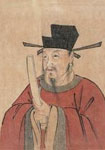
张孝祥(1132年-1169年),字安国,号于湖居士,汉族,简州(今属四川)人,生于明州鄞县。宋朝词人。著有《于湖集》40卷、《于湖词》1卷。其才思敏捷,词豪放爽朗,风格与苏轼相近,孝祥“尝慕东坡,每作为诗文,必问门人曰:‘比东坡如何?’”
...〔 ► 张孝祥的诗(698篇)► 张孝祥的名句(5656条) 〕