秋风淅淅吹巫山的下一句是:上牢下牢修水关
鉴赏
《秋风二首》是唐代诗人杜甫创作的一首诗词。下面是对这首诗词的中文译文、诗意和赏析:
秋风淅淅吹巫山,
Autumn wind gently blows on the mountains of Wu.
上牢下牢修水关。
In the upper and lower prison cells, repairing the water gate.
吴樯楚柁牵百丈,
The boats and rafts of Wu and Chu are hundreds of feet long,
暖向神都寒未还。
The warmth has not yet reached the capital, and the cold lingers.
要路何日罢长戟,
When will the need for war come to an end?
战自青羌连百蛮。
Battles continuous with the Qiang and many other tribes.
中巴不曾消息好,
The news from the central government hasn't been good.
暝传戍鼓长云间。
At dusk, the sound of the garrison's drums spreads through the clouds.
秋风淅淅吹我衣,
Autumn wind gently blows on my clothes,
东流之外西日微。
Beyond the east flowing river, the setting sun is faint.
天清小城捣练急,
In the clear sky, a small town is busy with military training.
石古细路行人稀。
On the old stone path, there are few travelers.
不知明月为谁好,
I wonder who the bright moon is shining for,
早晚孤帆他夜归。
In the morning and evening, the lone sail returns home at night.
会将白发倚庭树,
I will lean against the courtyard tree with my white hair,
故园池台今是非。
The old hometown and the ponds and terraces are filled with turmoil.
该诗词展示了杜甫对战乱和岁月流转的感叹和思考。第一首描写了战争中的困苦和无辜百姓的苦难,以及军士们不知道战争何时才会结束的无奈。第二首则是通过秋风和明月来表现诗人内心的孤独和迷茫。诗人不知道明月为谁好,却能想象到孤独的航行归家,同时也体现出对故乡的思念和对现实的痛苦。
整首诗词语言简练,意境深远,表现了杜甫对战争和困境的真实感受,同时也反映了他对家园乡土的眷恋和思念。这首诗词凭借其鲜明的形象和朴素的语言,具有强烈的情感共鸣力,被视为杜甫为数不多的精绝之作之一。
杜甫简介
唐代·杜甫的简介
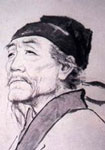
杜甫(712-770),字子美,自号少陵野老,世称“杜工部”、“杜少陵”等,汉族,河南府巩县(今河南省巩义市)人,唐代伟大的现实主义诗人,杜甫被世人尊为“诗圣”,其诗被称为“诗史”。杜甫与李白合称“李杜”,为了跟另外两位诗人李商隐与杜牧即“小李杜”区别开来,杜甫与李白又合称“大李杜”。他忧国忧民,人格高尚,他的约1400余首诗被保留了下来,诗艺精湛,在中国古典诗歌中备受推崇,影响深远。759-766年间曾居成都,后世有杜甫草堂纪念。
...〔 ► 杜甫的诗(1篇)〕猜你喜欢
- 飞瀑恐从星汉至
-
谬忝王枚列
出自 唐代 武平一: 《奉和幸新丰温泉宫应制》
- 堂东已见床堆笏
- 去岁已如此
- 大事因缘如未熟
-
桃花流水里,人拟是天台。
出自 明代 李云龙: 《镜园和邓玄度步韵(其十二)》
-
露华拂曙惊仙鹊,河彩当空动玉龙。
出自 明代 王弼: 《中秋娄元善家赏月限韵二首(其一)》
-
鸟语腾花气,鳞游触芰钱。
出自 明代 葛昕: 《偕张丈登峄山次韵(其一)》
-
白玉何为者,黄金道可哀。
出自 : 《送邹坤初归山东》
-
作诗馀事真诗仙,骑麟被发何翩然。
出自 宋代 喻良能: 《次韵王待制读东坡诗兼述韩欧之美一首》